
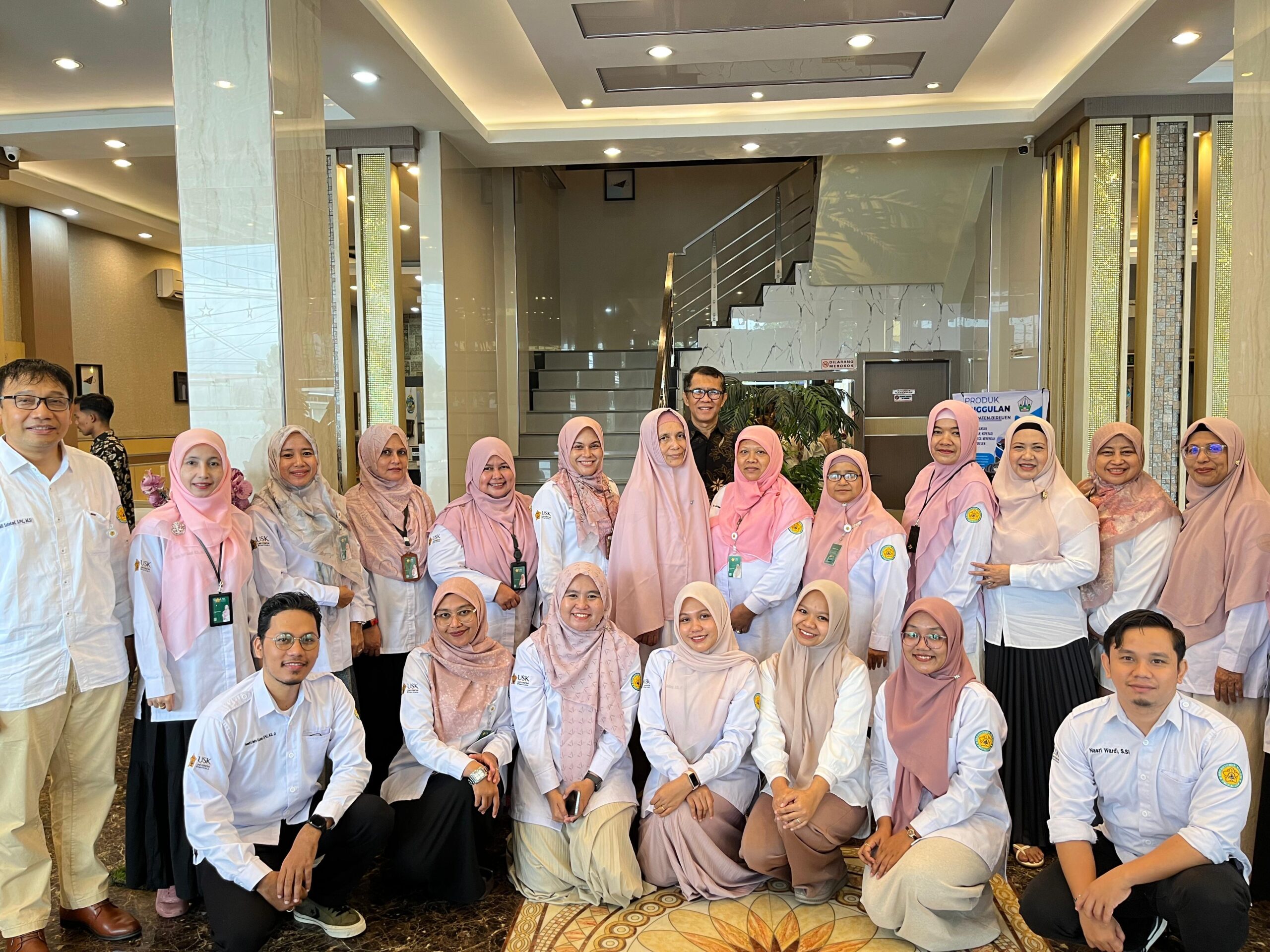
As part of its commitment to strengthening scientific literacy and fostering environmental awareness among young generations, the Biology Department conducted a knowledge dissemination program in several senior high schools in Bireuen Regency on 12–13 February 2026. The activities were carried out at SMAN 1 Bireuen, SMAN 2 Bireuen, and MAN 2 Bireuen.
This dissemination program was designed as a platform for dialogue between academics and students, aiming to introduce biology not merely as a school subject but as a strategic scientific discipline with a crucial role in addressing real-world challenges. These challenges include environmental degradation, vector-borne diseases, and the sustainability of biological resources. Through a contextual and communicative approach, students were encouraged to understand how biological concepts are closely connected to everyday life and local environmental conditions.

The sessions covered recent developments in biological sciences, their applications in health and environmental sectors, as well as academic and career pathways in life sciences. Interactive discussions and question-and-answer sessions formed a central component of the activities, allowing students to actively engage by raising questions related to local environmental issues, higher education opportunities, and the role of young scientists in supporting sustainable development.

Students demonstrated strong enthusiasm and active participation throughout the program. School representatives expressed their appreciation for the initiative, noting that the activities broadened students’ perspectives, increased motivation to learn science, and provided valuable insights into academic life and research at the university level.
Through this knowledge dissemination initiative, the Biology Department reaffirms its commitment to contributing to the development of future generations by promoting inclusive and application-oriented scientific outreach. The synergy between higher education institutions and secondary schools is expected to serve as a strong foundation for nurturing scientifically literate, environmentally conscious, and globally competitive youth in the future.
